Sign in Start free trial
November 2026From the Crafto desk3 stories

The Price of a Piece

What a piece costs to make, and what to ask for it

Cover story · Making cost

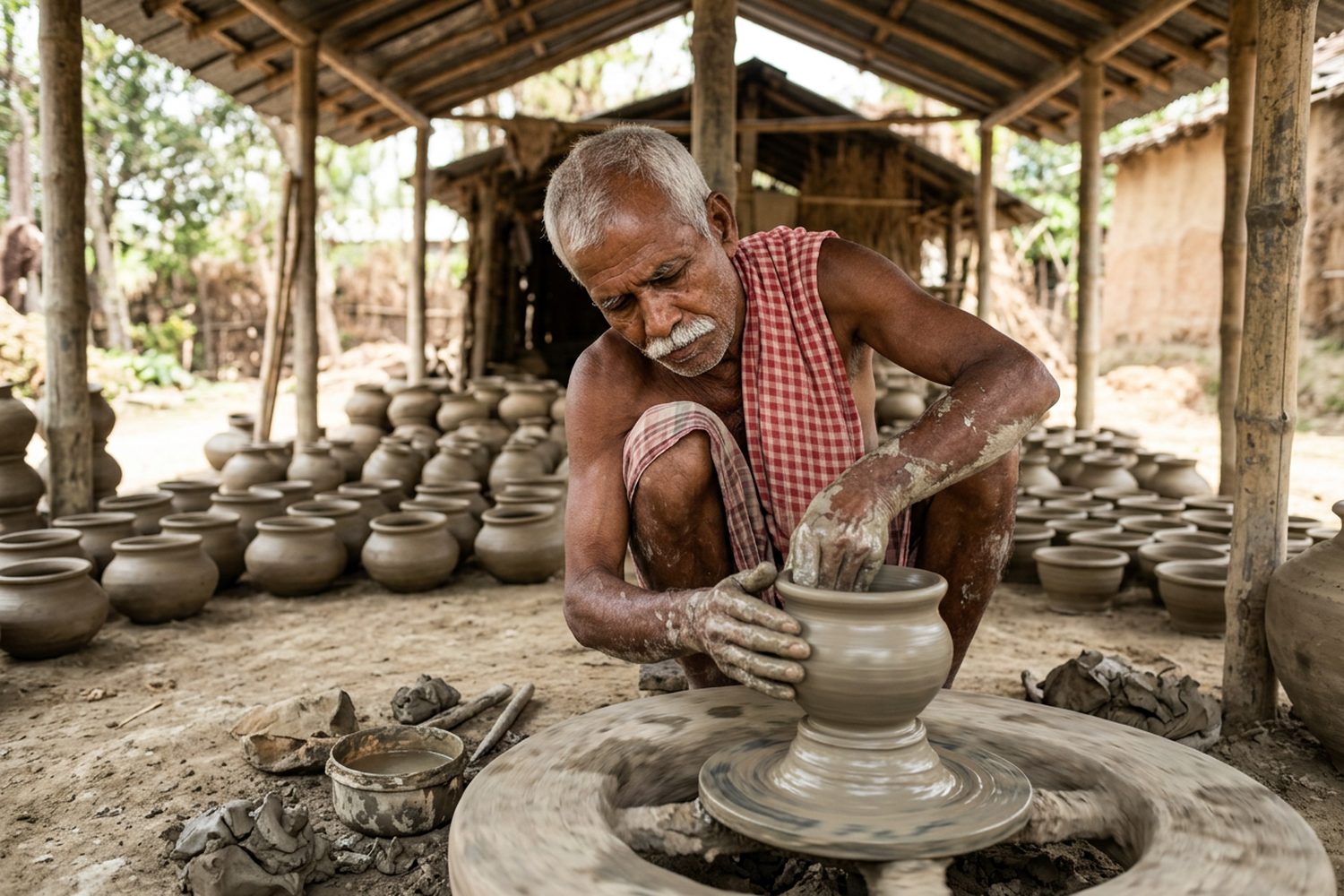
Cost the firing, not just the clay

Most makers count the material and forget the rest: fuel, breakage, the trip to buy supplies, and their own days. A price built on clay alone loses money on every piece. Write down everything one batch costs, divide by the pieces that came out whole, and you have the making cost. It is the one number that tells you whether a trader's offer is a sale or a loss.

Read time: 4 minutesGoes with: ProductsWritten by: Crafto Desk

Read the article
Your wage

Days on the loom are money

A stole that takes two days and a saree that takes twelve cannot be priced by the yarn in them. The loom days are the larger cost, and they are yours to charge. Decide what one day of your work is worth, multiply by the days each piece takes, and add it to the material. A buyer who hears how many days a piece took rarely asks why it costs more.

Read the article →

Read time: 4 minutesGoes with: ProductsWritten by: Crafto Desk

Retail and wholesale

Two prices, and never mix them

A boutique that takes thirty pieces deserves a lower rate than a visitor who takes one. But the lower rate must still stand above your making cost, and it must come with a minimum quantity. Fix both prices on paper before anyone asks. Then a home buyer cannot talk you down to the wholesale rate, and a trader cannot talk you below it.

Read the article →

Read time: 4 minutesGoes with: ProductsWritten by: Crafto Desk

Notes from the Crafto desk for artisans and self-help groups on counting the real cost of a piece, paying yourself for your days, and keeping retail and wholesale prices apart.

The Price of a Piece · published on CraftoDesign: Marigold

Write to the Crafto desk

A story idea, a correction, or a magazine of your own: the Crafto team reads every message.

Want a magazine like this for your own work? Start yours on Crafto